Advanced BPH Treatment in Antalya: Preserving Your Sexual Health with Interventional Radiology
As Prof. Dr. Aykut Recep Aktaş, I wish to emphasise that my specialisation is Interventional Radiology. I am not a Urology specialist, and in this text, I will discuss the impact of non-surgical treatment methods on sexual life from the perspective of my own field of expertise.
Prostate enlargement, also known as Benign Prostatic Hyperplasia (BPH), is a common health issue for men in their later years, which can significantly reduce quality of life. It manifests with symptoms such as frequent urination, waking up at night to urinate, and difficulty urinating. While various treatment options are available to alleviate these symptoms, a significant number of patients rightly harbour concerns about how their sexual life will be affected after treatment.
Traditionally, one of the most frequently applied surgical methods for severe BPH cases has been Transurethral Resection of the Prostate (TUR-P). In this procedure, a portion of the enlarged prostatic tissue is resected via the urethra. However, the side effects of classic surgical methods like TUR-P on sexual life are well-documented.
The most common sexual side effect after TUR-P is retrograde ejaculation. In this condition, semen flows backward into the bladder during orgasm and cannot be expelled. While this typically does not pose a physiological health risk to patients, it can be psychologically distressing and may affect reproductive capacity for those wishing to father children. The reason for this is often damage to or dysfunction of the bladder neck and some muscles within the prostate gland during surgery.
Erectile dysfunction, though less common after TUR-P, can still occur, particularly due to potential damage to nerves running close to the prostatic capsule (nerves responsible for erection) during surgery, or due to the psychological stress of the operation. Although efforts are made to preserve these nerves, there is always an inherent risk with any surgical procedure.
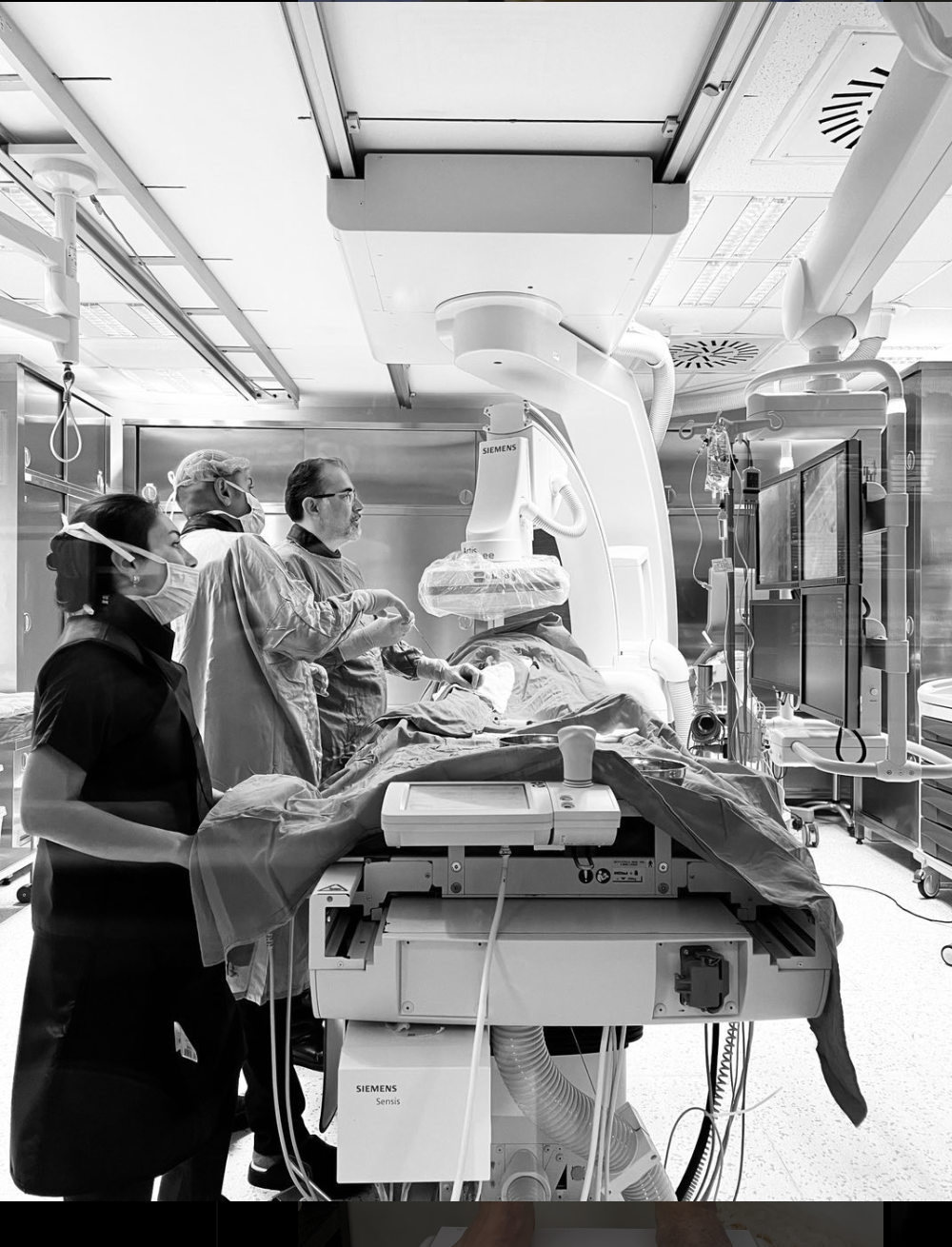
Among the modern treatment options offered by Interventional Radiology, Prostate Artery Embolisation (PAE) stands out as a non-surgical alternative for BPH treatment. This method relies on the principle of blocking the arteries that supply blood to the prostate using a very fine catheter inserted through the groin area. As blood flow to the prostate tissue is cut off, the prostate shrinks, and symptoms alleviate. One of PAE's most significant advantages is its clear superiority over traditional surgery regarding sexual side effects.
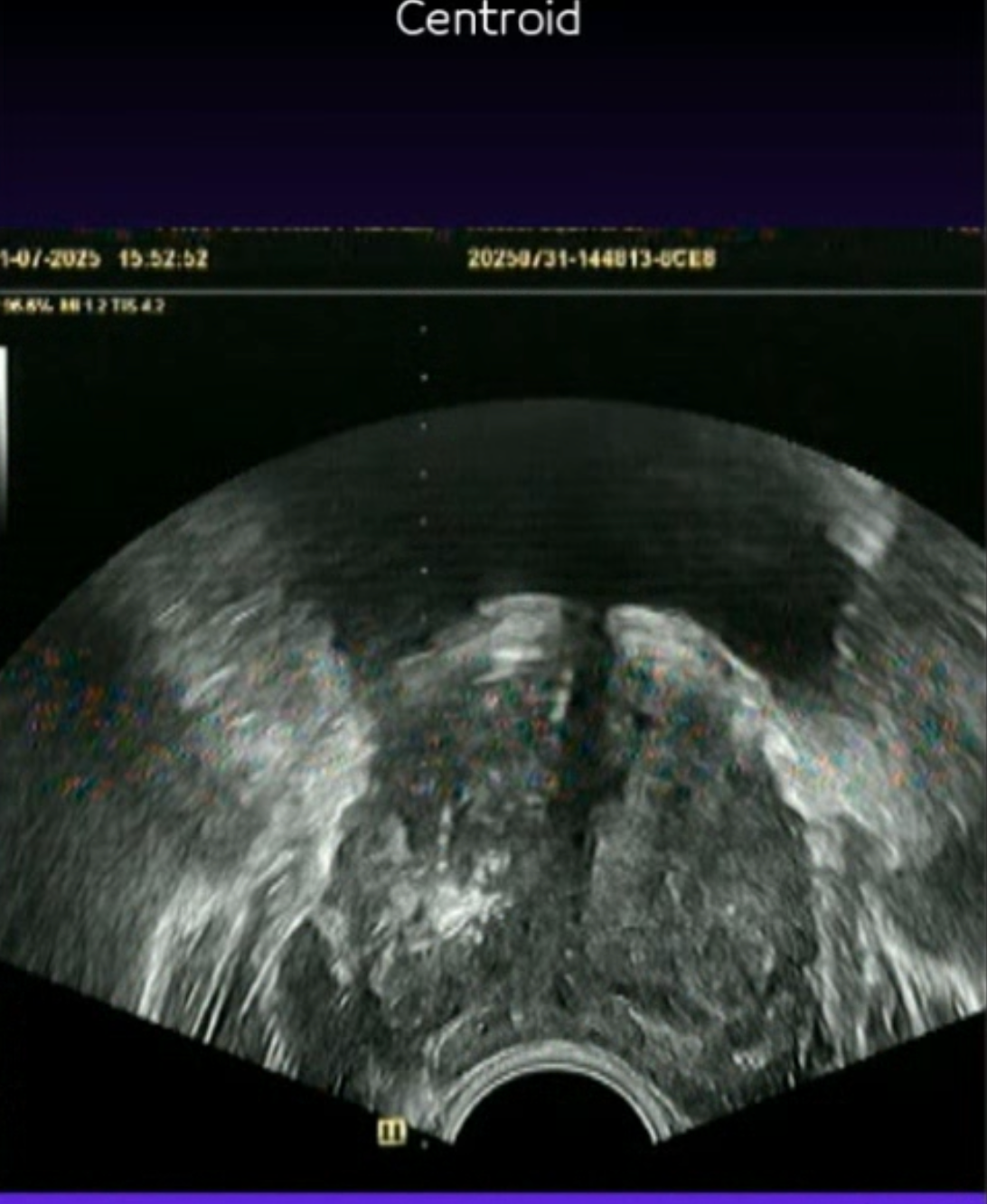
Since PAE does not involve direct intervention with any nerves within or around the prostate gland, it keeps the risk of retrograde ejaculation to a minimal level. The aim is solely to reduce blood flow to the prostate; the anatomical structure and function of the bladder neck and seminal vesicles are preserved. Various clinical studies have shown that rates of retrograde ejaculation after PAE are significantly lower compared to TUR-P.
Regarding erectile function, PAE generally has no negative impact; in fact, some patients have reported a slight improvement in erectile function alongside an overall improvement in health status and a reduction in LUTS (lower urinary tract symptoms). Being a non-surgical procedure that preserves nerves, the nerve networks responsible for erection are not damaged.
Libido (sexual desire), being more closely related to hormones and psychological factors, is not directly affected by the PAE procedure. On the contrary, with the improvement of symptoms and an increase in overall quality of life, it is possible for confidence and desire towards sexual life to increase.
In summary, prostate embolisation is a much more protective treatment method for sexual life compared to classic surgeries. The significantly low risks of erectile dysfunction and especially retrograde ejaculation make this treatment an attractive option for patients who value their sexual health. For our robotic technologies in interventional radiology, you can review our prostate biopsy page. Innovative, minimally invasive approaches like these offered by modern medicine aim not only for patients to recover from their illness but also to maintain their quality of life at the highest level post-treatment.
As Prof. Dr. Aykut Recep Aktaş, I believe in the importance of ensuring patients fully understand all available options and their potential impact on quality of life when making treatment decisions. Prostate embolisation offers both an effective treatment and a significant advantage in preserving sexual health.