Is Non-Surgical Prostate Enlargement Treatment Possible? What is Prostatic Artery Embolization?
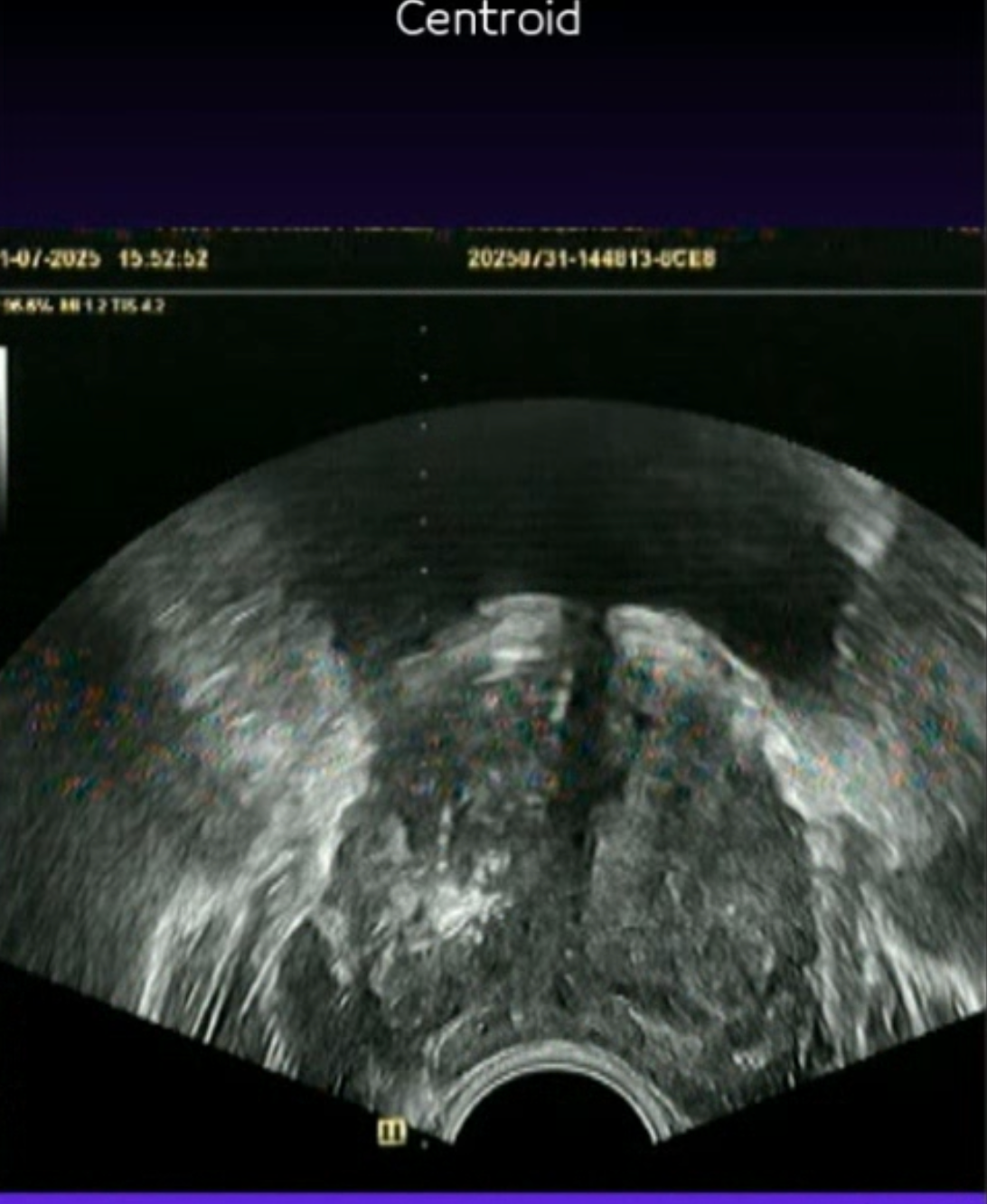
Hello, I am Prof. Dr. Aykut Recep Aktaş. My specialisation is Interventional Radiology. Today, I would like to provide you with information about Prostatic Artery Embolization (PAE), one of the non-surgical, modern treatment options for benign prostatic hyperplasia, also known as benign prostate enlargement (BPH).
Prostate enlargement is a common health issue in men over a certain age, significantly affecting their quality of life. Whilst surgical methods were once considered the only solution, the advancements in interventional radiology now offer significant advantages to our patients through non-surgical, minimally invasive approaches.
What is Prostatic Artery Embolization (PAE) and How Does it Work?
Prostatic Artery Embolization (PAE) is a non-surgical treatment used to alleviate the symptoms of benign prostate enlargement. This method relies on the principle of blocking the arteries that supply blood to the enlarged prostatic tissue using microspheres, which are delivered via a thin catheter inserted through a small puncture in the groin area. This procedure is called embolization.
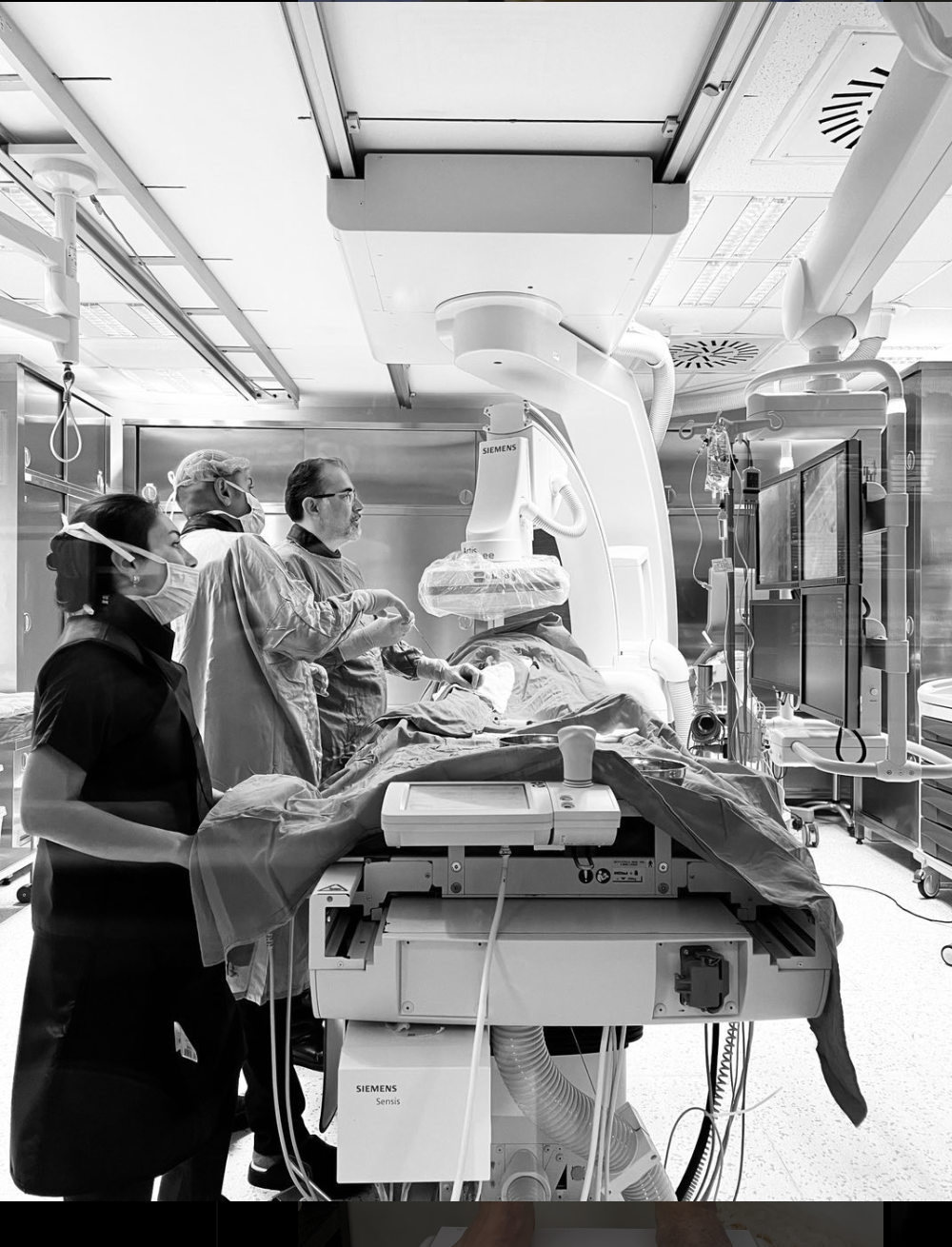
During the procedure, as an experienced interventional radiology specialist, we visualise the blood vessels supplying the prostate using angiography. We then inject special, millimetre-sized particles through these vessels. These particles restrict blood flow to the prostatic tissue, helping the prostate shrink and consequently alleviating urinary tract symptoms. As the prostatic tissue shrinks, obstruction to urine flow decreases, and the patient's complaints significantly improve.
Advantages of Prostatic Artery Embolization (PAE)
PAE offers several significant advantages compared to traditional surgical methods:
- Minimally Invasive Approach: It does not require a surgical incision, being performed through only a small needle puncture.
- No General Anaesthesia Required: Typically performed under local anaesthesia and light sedation, making it ideal for patients who cannot undergo general anaesthesia.
- Faster Recovery Time: Patients are usually discharged on the same day or the day after and can quickly return to their daily activities.
- Lower Risk of Complications: Risks such as bleeding, infection, and urinary incontinence are much lower compared to surgery.
- Preservation of Sexual Function: It is reported to have no negative effect on sexual function and ejaculation, which is a significant advantage for many men.
- Ends Catheterisation: For patients who continuously use a urinary catheter, it often eliminates the need for the catheter.
- Solution for Patients Unsuitable for Surgery: Offers a safe alternative for elderly patients, those with other health conditions, or those at high surgical risk.
Potential Risks and For Whom is it the Most Suitable Option?
As with any medical procedure, PAE also has some potential risks and side effects, though these are generally mild and temporary:
- Mild pain or bruising in the groin area.
- Temporary blood in the urine (haematuria) or burning sensation (dysuria).
- Rarely, post-embolization syndrome (mild fever, fatigue).
- Very rarely, complications such as embolization of non-target vessels are minimised in experienced hands.
PAE is generally the most suitable option for patients with moderate to severe benign prostate enlargement symptoms who have not responded to medication or cannot tolerate the side effects of drugs. It also offers an attractive alternative for patients who are averse to surgery, have high surgical risks, or wish to preserve their sexual function. To determine if this treatment is suitable for you, it is crucial to consult an experienced interventional radiology specialist.
Our Clinical Philosophy and Patient Approach
At our clinic, our patients' health and quality of life are always our top priority. We meticulously evaluate every treatment method, blending the most current knowledge in the literature with our own clinical experience to offer personalised solutions. For instance, whilst we acknowledge that the intravascular adhesive (cyanoacrylate) method for varicose vein treatment is widely used by many physicians today, we do not prefer this method in our clinical practice due to its long-term outcomes and some reported complication risks in the literature. Instead, we focus on proven and reliable methods such as microwave, radiofrequency, or endovenous laser ablation (EVLA) to ensure maximum benefit for our patients.
Interventional Radiology at Our Antalya Clinic
At our clinic in Antalya, we successfully apply many interventional radiology treatments, especially Prostatic Artery Embolization, utilising the most advanced technology and expertise offered by modern medicine. With our experienced team and comfortable environment, we create effective and safe treatment plans tailored to each patient's individual needs. If you have complaints of prostate enlargement or wish to learn more about non-surgical treatment options, please contact us to schedule an appointment with an experienced interventional radiology specialist.
You Might Also Be Interested In:
Interventional radiology offers non-surgical treatment solutions in many areas. Beyond prostate enlargement, if you would like to learn about other advanced non-surgical treatment methods we employ at our clinic, you may also consider the topics below. Discover ways to enhance your quality of life with non-surgical solutions and do not hesitate to schedule an initial consultation with us to make the most informed decision for your health.
- More precise biopsy methods performed with robotic technologies. For our robotic technologies in interventional radiology, please visit our prostate biopsy page.
- Non-surgical treatment of uterine fibroids (Uterine Fibroid Embolization).
- Non-surgical ablation treatment of thyroid nodules.
- Ablation treatments for liver and kidney tumours.
Remember, obtaining accurate information about your health and determining the most suitable treatment option for you requires the assessment of an experienced interventional radiology specialist. At our clinic, we are pleased to help you take a step towards a healthier life with personalised solutions.
This article is for informational purposes only. It does not constitute medical diagnosis or treatment advice. For any health concerns, please consult an experienced interventional radiology specialist.